

Love as Ethic
How Grace Becomes Structure

Love as Ethic: How Grace Becomes Structure
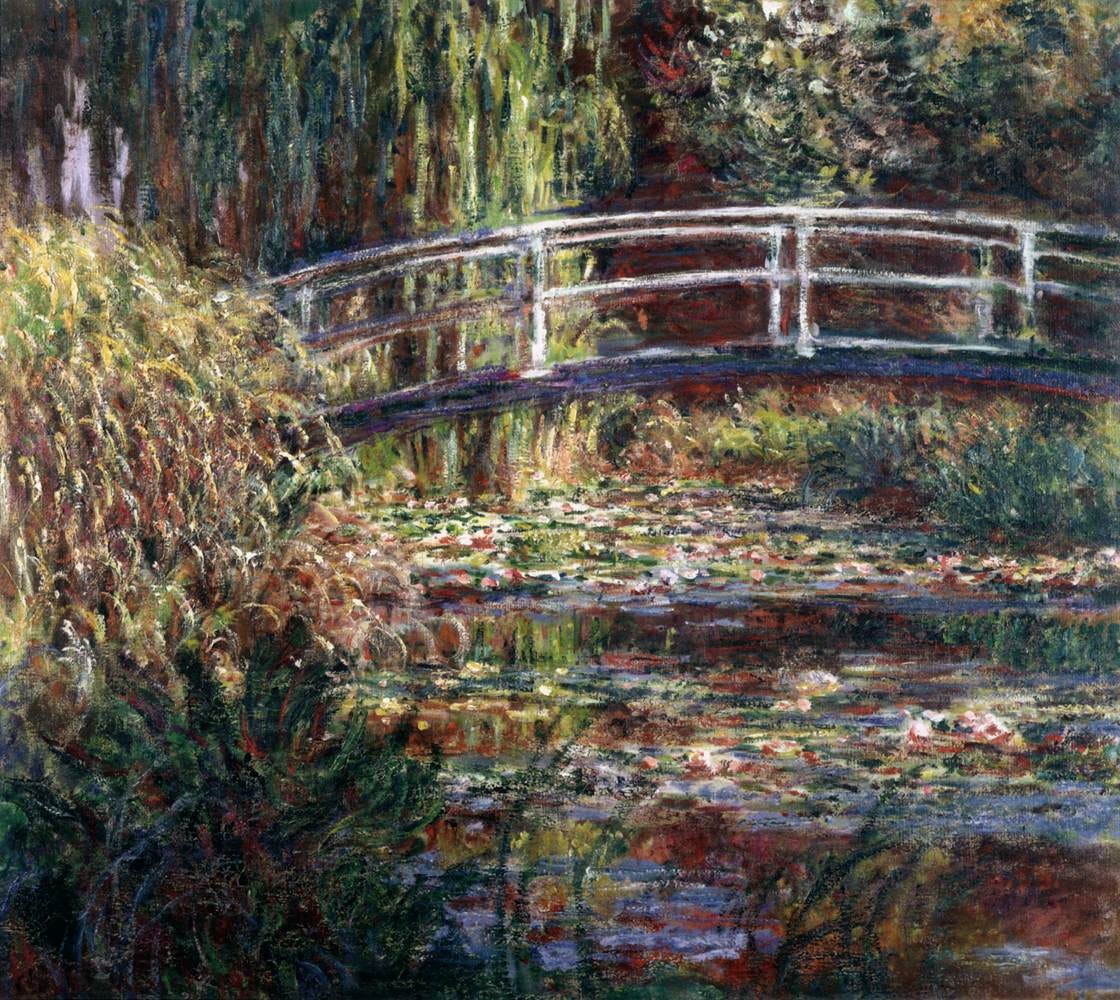
The river holds its shape without hardening and gently flows toward change when called. It moves around what it can’t move through. It accepts the stones without becoming them and carves canyons by perseverance, not by force. It refuses to leave—trusts that softness, applied with patience, will outlast almost anything that tries to break it.
This is the softness I feel and want to embody. It’s not a softness that fails, falls, or fawns. It’s a softness that knows what it is, what it loves, what it will and will not carry—and chooses to stay open anyway.
The question we continue to circle, the one I’m not sure we name often enough is—how do we stay soft in a life that could harden us?
We’ve inherited a false grammar around softness. We’ve been taught to associate it with naïveté, with porousness, with incompetence, and with the kind of openness that doesn’t respect boundaries. We’ve been taught that to be soft is to be a sponge, and that the only way to keep the world’s wounds from soaking in is to grow a shell. And so, we harden—slowly, in the name of self-protection. We tighten, we armor, and we mistake hardness for strength.
But hardening isn’t protection. It’s a slow surrender of the self, disguised as resolve. It’s what happens when we forget there’s a third option—neither porous nor armored, but rooted. We can learn to become held, discerning, and whole.
When we follow nature and learn from its ancient truths, we come to see that the river already knows. The river is not unmoved by stones. The river simply doesn’t become them.
Through love as an ethic, we too can move with the steadiness of this flow.
When we lead with love, we don’t look first at behavior. We look at the suffering underneath it. We look at the wound the behavior is trying to manage. We see the frightened human who hasn’t yet learned a better language than harm. We do this not because the behavior is acceptable—it often isn’t—but because love is the only stance from which we can see what’s true. Rage flattens and fear distorts—only love sees clearly enough to hold the whole picture without collapsing it into a single verdict.
But seeing the wound doesn’t mean accepting it as our own.
We don’t have to internalize someone else’s pain to honor it or absorb someone else’s distortions to remain compassionate toward them. We don’t have to carry what isn’t ours to prove that we care. To do so isn’t love. It’s drowning beside someone who never asked us to.
The Buddhist teacher Roshi Joan Halifax has spent decades teaching this distinction as a practice she calls strong back, soft front. The strong back is the clarity, the boundaries, the willingness to protect ourselves and others from harm. The soft front is the openness, the tenderness, the willingness to stay present in the face of suffering. We need both, and we need them held together—because compassion without clarity becomes self-erasure, and clarity without compassion becomes another form of armor.
The boundaries are what make the tenderness possible. The clarity is what makes the openness sustainable.
This is what grace is. It’s not a passive sweetness or the soft acceptance of everything. Grace is the wisdom that knows what to hold and what to let pass. It’s discernment shown in tenderness. It’s the long, slow, daily practice of refusing to become what hurt you.
Grace doesn’t only matter for our private lives. It matters for what we build together.
bell hooks wrote of a love ethic—love as an ethical orientation that shapes how communities and nations behave, not only how we feel. She insisted that love cannot be honestly spoken about apart from justice, and that all the great movements for social change have rested on this insistence. Love, in her telling, is not only what we feel. Love is what we build.
Above: bell hooks on love as an ethic
It’s what our policies make possible or impossible. It’s what our processes protect or quietly erode. It’s the field that organizations either create for the people within them or fail to.
The moral psychology of a system is the moral psychology of the people who build it. Our hidden interior life is never actually hidden. It travels outward into the policies we draft, the meetings we run, the budgets we approve—the environments we create by the choices we make.
In environments where leaders become hardened, fear becomes surveillance, ego becomes a press release, and insecurity becomes a thicket of approval layers that strangles anyone trying to do good work. Control begins to dominate what should be alignment and collaboration.
Our inner life is always building an infrastructure, whether we attend to it or not. The only question is whether what it builds will protect life or consume it.
I think about this often. I feel it is part of my vocation to see the hidden infrastructure that lets public-facing excellence be sustainable. It’s work no one notices until it fails. It’s work whose entire purpose is to make the visible work possible.
What I’ve come to believe is that operational excellence is moral excellence in a different form. Process can protect the dignity of the people moving through it or consume them slowly.
This is what grace looks like when translated from philosophy to application. It looks at the suffering a system is producing—the burnout, the silencing, the slow erosion of meaning—and it asks what wound the structure is trying to manage, what fear it’s organizing itself around, and what the underlying love wants the architecture to become.
And then, with a strong back and a soft front, it begins to rebuild.
So how do we stay soft inside a life that could permanently harden us?
We protect what’s true and we let what’s false slip past us. We let our hearts feel the underlying love in everything and allow grace to flow through us so that we can sense the wounds that produce the pain. We look at the suffering and not only at the action. We see the human underneath the behavior—and we hold our ground.
Love without clarity isn’t love, and clarity without love isn’t wisdom.
We refuse to internalize what isn’t ours or to become the harm that tried to shape us. We project outward instead—through our presence, our decisions, our policies, our creations—and we let them carry love forward.
We become the river. We hold our shape without hardening. We move around what we cannot move through. We trust the patience of softness.
The miracle isn’t that we manage to stay soft—it’s that softness is the strongest thing we have.
💕🙏💕
* I wrote the lyrics to the accompanying song The Way and used AI-assisted music generation. As someone interested in exploring ideas across different forms of expression, this piece feels like the musical counterpart to the essay—a meditation on softness, alignment, grace, and the strength of learning how to flow without hardening.


